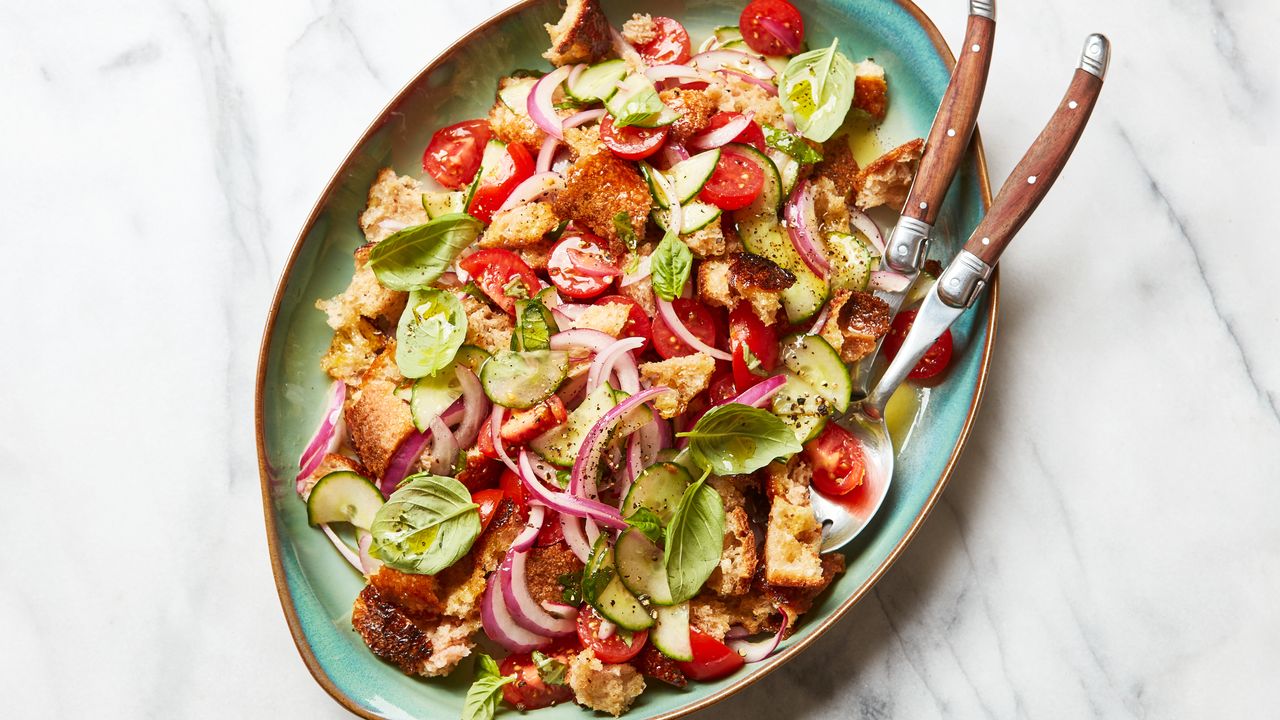
Classic Panzanella: Your Go-To Summer Tomato and Bread Salad
As the long, warm days of summer arrive, bringing with them an abundance of sun-ripened produce, there's one dish that truly captures the essence of the season: panzanella. This rustic Italian bread salad, brimming with juicy tomatoes, crisp cucumbers, aromatic basil, and chunks of crusty bread, is more than just a meal—it's a celebration of simplicity and peak-season flavors. Originating from the sun-drenched region of Tuscany, panzanella transforms humble ingredients into a culinary masterpiece, proving that sometimes, the simplest things are the most delicious.
Far from your average leafy green salad, a classic panzanella elevates bread from a mere accompaniment to the undisputed star. It's a dish that embodies the resourceful spirit of Italian cooking, traditionally designed to breathe new life into stale bread. But don't let its humble origins fool you; when prepared with fresh, high-quality ingredients, a well-made panzanella delivers a vibrant burst of flavor and texture that is utterly irresistible. Whether you're planning a backyard barbecue, a light al fresco lunch, or simply craving the taste of summer, this tomato and bread salad is poised to become your favorite go-to recipe.
What Makes Classic Panzanella So Irresistible?
The allure of panzanella lies in its clever combination of textures and flavors, a symphony orchestrated by a handful of fresh ingredients and a brilliant technique.
Humble Origins, Elevated Flavors
The story of panzanella begins in the Tuscan countryside, where ingenuity met necessity. Farmers, unwilling to waste a single crumb, devised a way to rehydrate and repurpose day-old or stale bread by soaking it in water and then tossing it with garden-fresh vegetables. Over time, the method evolved, incorporating the rich olive oil and tangy vinegars that are staples of Italian cuisine, transforming it into the vibrant salad we know and love today. This history gives panzanella a soul, a testament to how simple ingredients, handled with care, can yield extraordinary results.
The Magic of the Bread
While often described as a "bread salad," the role of the bread in panzanella is truly transformative. Instead of merely being a component, the bread acts as a magnificent sponge, absorbing the sweet juices released by the ripe tomatoes and the sharp, zingy vinaigrette. This absorption is key: it softens the bread just enough to make it tender and moist, yet still offers a satisfying chew. The edges retain a slight crispness, providing a delightful textural contrast. This isn't just about using up stale bread; it's about leveraging its unique ability to soak up and amplify every flavor it encounters.
Peak Summer Produce: The Heart of the Dish
The success of any panzanella hinges almost entirely on the quality of its produce. This salad is a love letter to summer, especially during July and August when tomatoes are at their absolute peak. Forget pale, mealy supermarket tomatoes; for panzanella, you need ripe, heavy, fragrant tomatoes bursting with natural sweetness and acidity. Paired with crisp cucumbers, pungent red onion, and a generous shower of fresh basil, these ingredients don't just add color—they provide the vibrant, fresh flavors that define the dish and turn it into an unforgettable summer experience.
Crafting Your Perfect Panzanella: A Step-by-Step Guide
Creating a classic panzanella is a straightforward process, but paying attention to a few key details will elevate your salad from good to truly exceptional.
The Foundation: Perfecting Your Bread
Traditionally, panzanella relies on stale bread. However, many modern recipes, including this one, advocate for starting with fresh, crusty bread and toasting it yourself. This method gives you precise control over the texture, ensuring the bread is crisp around the edges but still slightly soft within, ready to absorb flavor without becoming mushy.
- Choose Wisely: Opt for high-quality, crusty Italian loaves like ciabatta or a good sourdough. Their open crumb structure and robust crusts are ideal for absorbing dressing while maintaining integrity.
- Cube and Toast: Cut your bread into roughly 1-inch cubes. Drizzle lightly with olive oil and toast in the oven until golden and fragrant. This process helps to dry out the bread, creating those perfect "flavor sponges." While starting with truly stale bread is traditional, this toasting method ensures a consistently excellent texture. For more insights on repurposing bread, explore our guide on From Stale Bread to Delicious: Mastering Your Panzanella Recipe.
The Heartbeat: Crafting the Zingy Vinaigrette
The dressing is more than just a coating; it's the element that ties all the flavors together and contributes significantly to the bread's transformation. You'll want a vinaigrette with a real "punch" since the bread will mellow its intensity considerably.
- Essential Components: In a large bowl, whisk together good quality extra virgin olive oil, a tangy vinegar (sherry or red wine vinegar are excellent choices), a spoonful of Dijon mustard for emulsification and a touch of piquancy, finely minced garlic, salt, and freshly ground black pepper.
- Taste and Adjust: Don't be shy about tasting your dressing! It should taste vibrant and slightly aggressive on its own. This ensures that once the bread has soaked it up, the overall flavor of the panzanella remains bright and well-seasoned.
The Stars: Selecting and Preparing Your Vegetables
The fresher, the better when it comes to the vegetables in your panzanella.
- Tomatoes are Key: This is non-negotiable. Use peak-season, ripe, juicy tomatoes. A mix of heirloom varieties and sweet cherry tomatoes offers both visual appeal and a complex flavor profile. Their natural juices will contribute significantly to the dressing.
- Crisp Cucumbers: English or Persian cucumbers work wonderfully, offering a refreshing crunch. You can peel them entirely, partially, or leave the skin on, depending on your preference. For less wateriness, you might deseed larger cucumbers.
- Savory Onions: Thinly sliced red onion adds a welcome sharpness. If you find raw onion too potent, you can soak the slices in a bowl of ice water for 10-15 minutes before adding them to the salad; this will mellow their bite.
- Fresh Basil: A generous handful of fresh basil, gently torn rather than chopped, provides an incomparable sweet, peppery, and aromatic finish. Add it towards the end to preserve its delicate flavor and prevent bruising.
- Optional Indulgences: For added creaminess and richness, consider tossing in some torn fresh mozzarella balls or even luxurious burrata cheese. Capers or Kalamata olives can also introduce a briny, savory depth.
Bringing It All Together and Serving
The final steps are quick and crucial for the optimal panzanella experience.
- Toss Gently: Add the toasted bread cubes, prepared vegetables (onion, tomatoes, cucumber), and any optional additions to the bowl with the dressing. Toss gently but thoroughly to ensure everything is coated.
- The Resting Period: This is a critical step often overlooked. Let the panzanella sit for at least 30 minutes at room temperature before serving. This allows the bread to soak up the juices and dressing, and for the flavors to meld beautifully.
- Final Flourish: Just before serving, gently fold in the torn fresh basil. Taste and adjust seasoning as needed, perhaps a final drizzle of olive oil or a sprinkle of flaky sea salt.
- Serving and Storage: Panzanella is best enjoyed within a couple of hours of preparation. While a short rest is beneficial, making it too far in advance (more than 2-3 hours) can lead to soggy bread. It’s hearty enough to serve as a light main course, but also makes an excellent side dish to grilled chicken, fish, or a simple pasta.
Beyond the Classic: Panzanella Variations to Explore
While the classic tomato and bread panzanella is undeniably perfect, the basic concept of a hearty bread salad is incredibly versatile, lending itself to a myriad of seasonal adaptations.
- Seasonal Swaps: In spring, consider asparagus, peas, and fresh mint. Autumn might inspire roasted squash, apple, and sage. Even sweet versions with peaches and burrata are becoming popular, showcasing the salad's incredible adaptability.
- Roasted Panzanella: For a different take on texture and depth of flavor, explore a sheet-pan approach. This method involves roasting the bread cubes alongside vegetables like tomatoes, onions, and garlic, allowing the flavors to caramelize and intensify together. The tomatoes burst, mingling their rich juices with the bread as it toasts, creating a deeply savory and comforting version of the classic. It's an excellent way to coax out even more flavor, especially if your tomatoes aren't at their peak. Discover the ease and deliciousness of this method with our article on Sheet-Pan Panzanella: The Easy Roasted Bread Salad for Dinner.
The enduring appeal of classic panzanella lies in its ability to transform simple, seasonal ingredients into something truly extraordinary. It's a dish that speaks of sunshine, ripe harvests, and the joy of sharing good food. So this summer, don't just make a salad; craft a panzanella. You'll discover a dish that is not only delicious and refreshing but also rich in history and bursting with the vibrant flavors of the season. It’s more than a recipe; it’s an experience.
